14 guides
Welder buying guides
Twenty minutes here can save you a return: a "200A" welder that only reaches 200 A on a 240 V circuit you don't have, a lift TIG mode with no torch in the box, a duty cycle that quits halfway down the seam. Choosing a multiprocess welder, MIG versus TIG versus stick, duty cycle and input voltage, plasma combos, aluminum, wire modes, consumables, safety and your first beads, explained from the manuals and published documentation.
Buying and ownership
 Buying and ownership
How to choose a multiprocess welder: start with the joints
A practical checklist for process modes, amperage, input voltage, duty cycle and included leads before you compare exact multiprocess listings.
Read the guide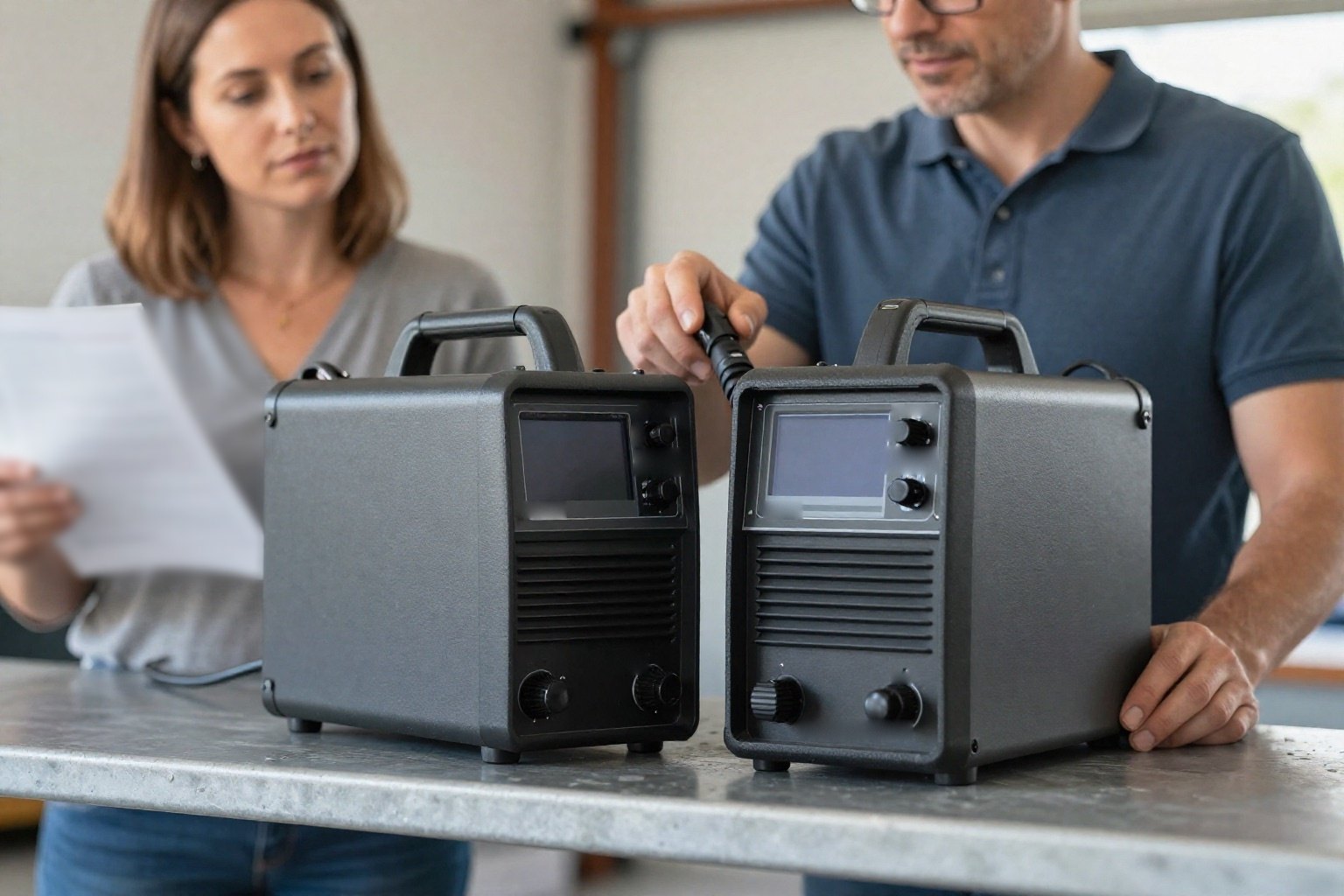 Buying and ownership
Multiprocess vs dedicated MIG welder: which to buy
Compare all-in-one machines with MIG-only units on process needs, included parts, wire range and documentation, without invented performance results.
Read the guide Buying and ownership
Welder duty cycle explained: percent and amperage
Understand what a duty-cycle percentage means, why its amperage basis matters and how to use our planner without treating it as a thermal guarantee.
Read the guide Buying and ownership
110V vs 220V welders: what listings actually state
Dual-voltage wording explained: what a listing can tell you about input, what only a manual and a qualified electrician can confirm.
Read the guide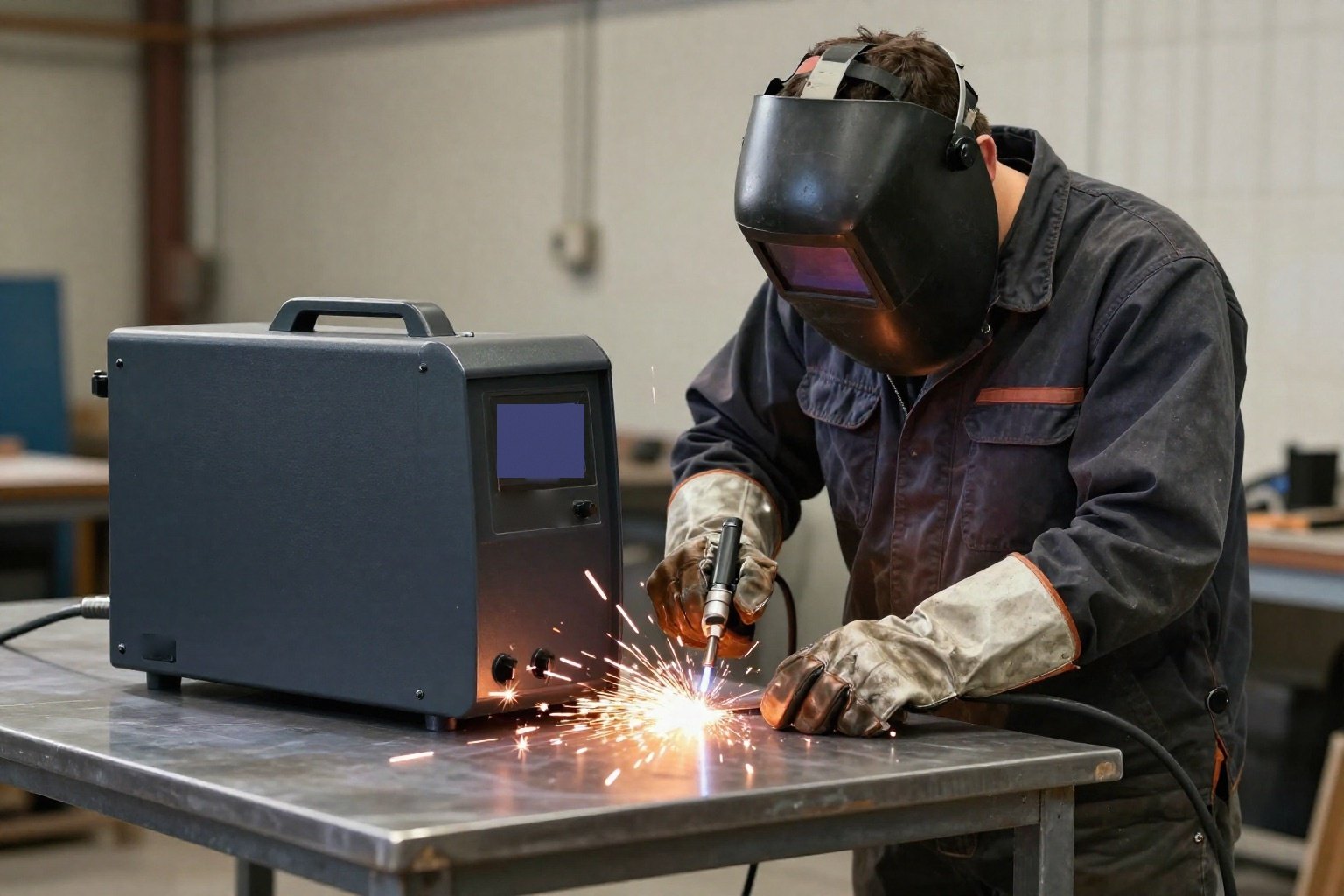 Buying and ownership
Welder and plasma cutter combos: what to check
Cutting-thickness claims, compressed-air requirements, included torches and duty cycle are the columns that separate combo listings.
Read the guide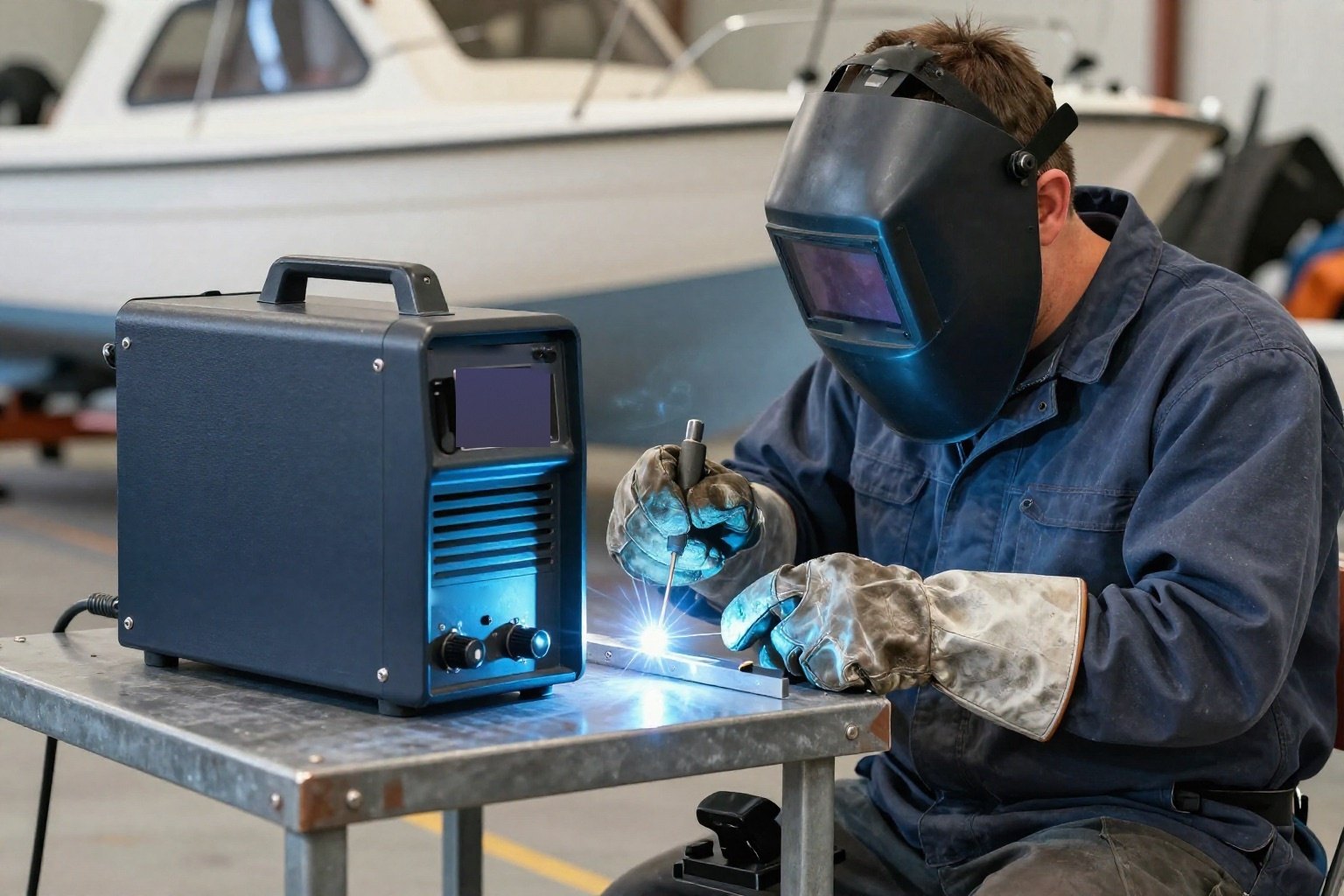 Buying and ownership
AC/DC TIG welders for aluminum: what the listing must state
AC output, pulse control, foot pedal, torch type and duty cycle: the columns that qualify a TIG machine for aluminum, drawn from exact listings.
Read the guide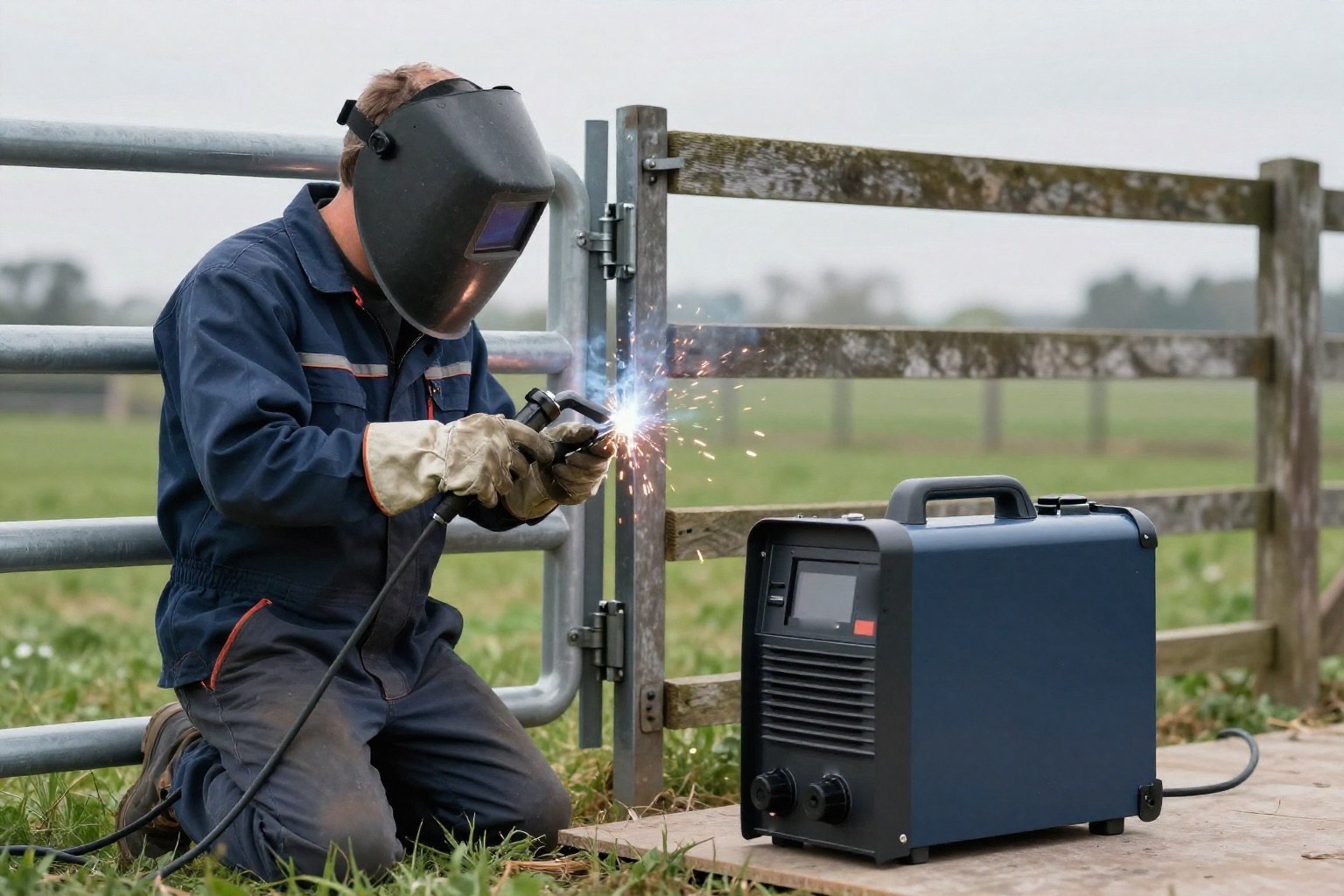 Buying and ownership
MIG, flux-core and spool gun modes explained
Gas MIG, gasless flux-core and spool-gun aluminum MIG are three different setups; learn what each mode requires and how listings describe them.
Read the guide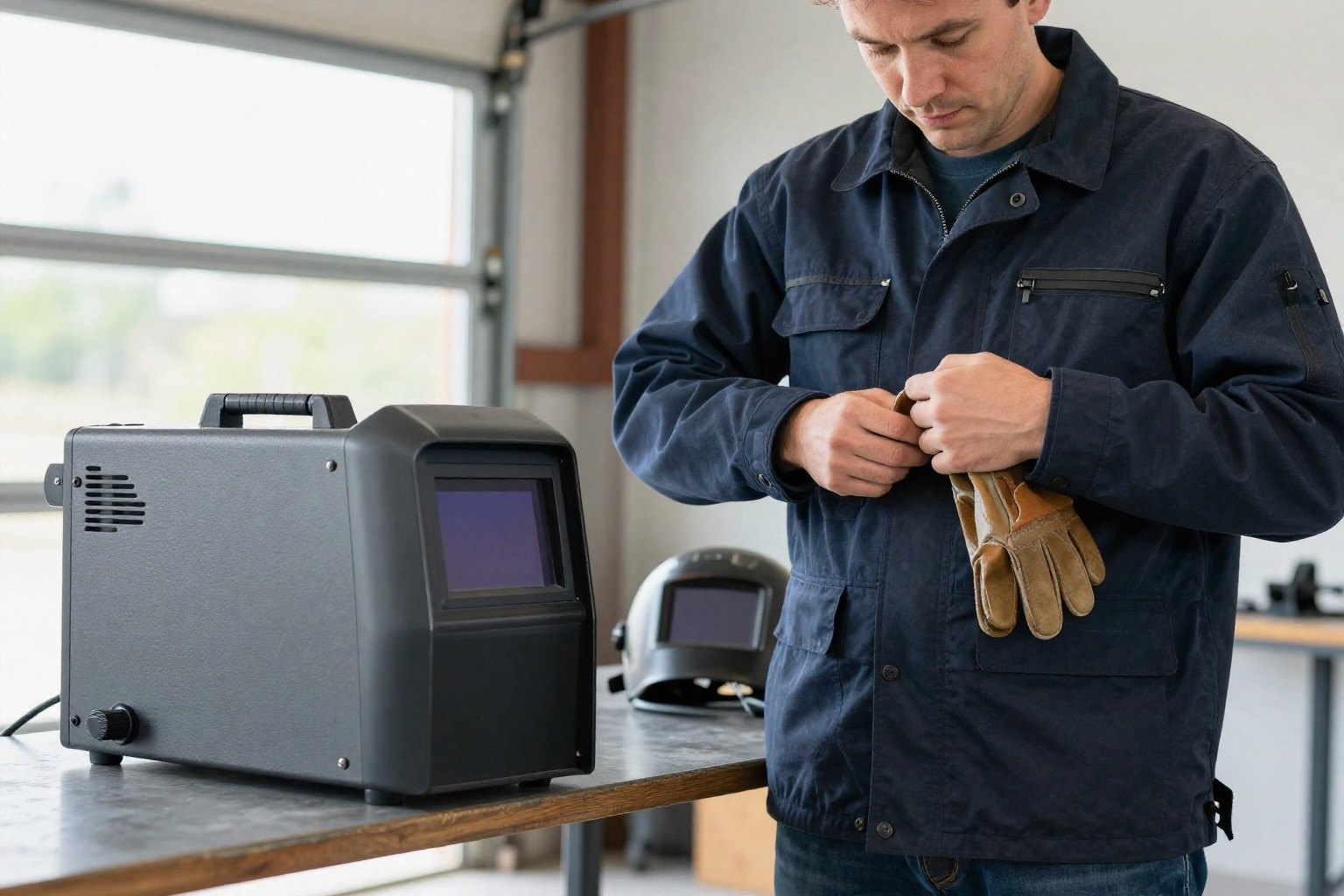 Buying and ownership
Welding machine safety and PPE basics
A purchasing checklist for helmets, gloves, ventilation and the manual sections to read; not an operating procedure.
Read the guide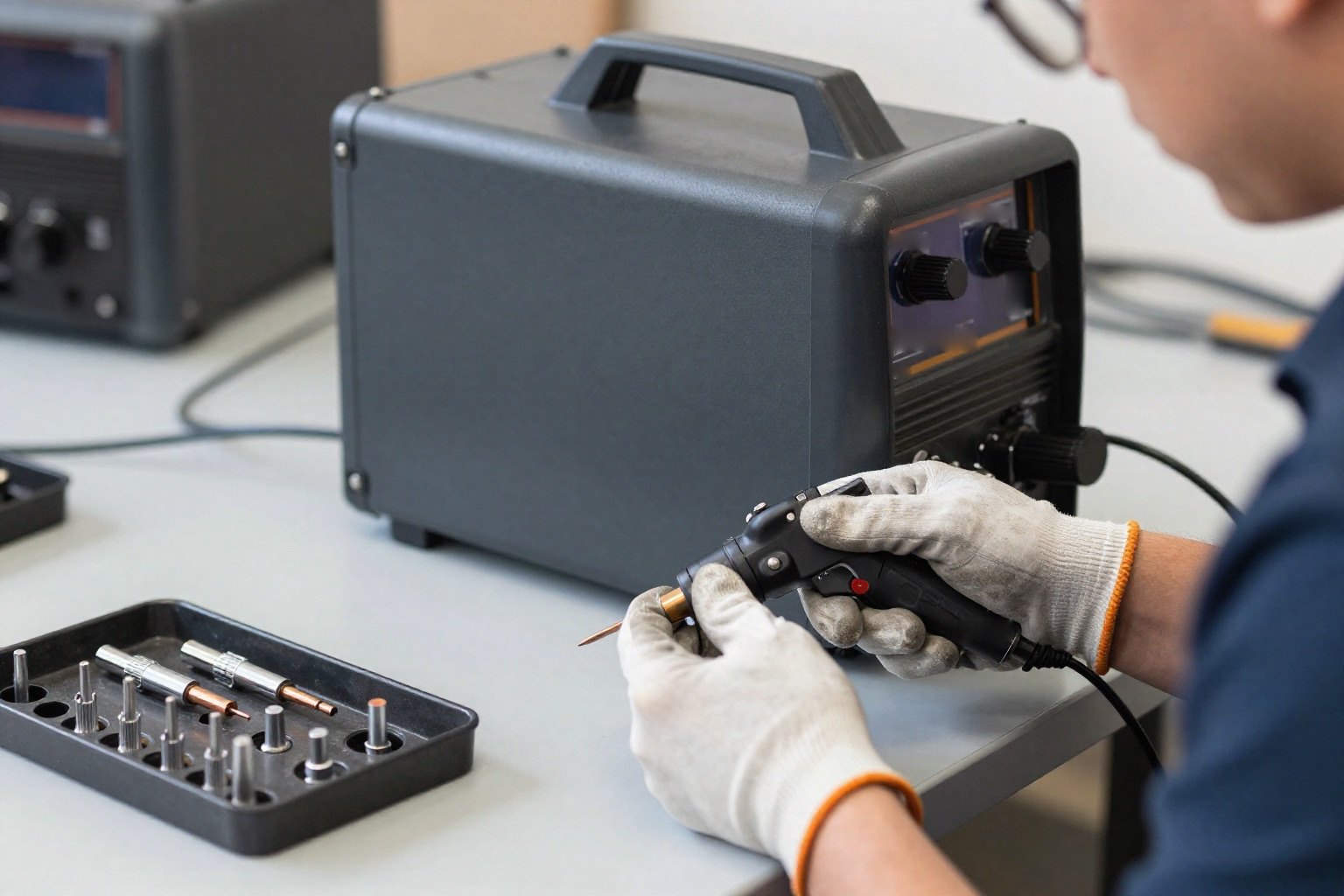 Buying and ownership
Welder consumables: match the exact model
Contact tips, nozzles, drive rolls, wire, tungsten and torches must be verified against the exact machine and torch model.
Read the guide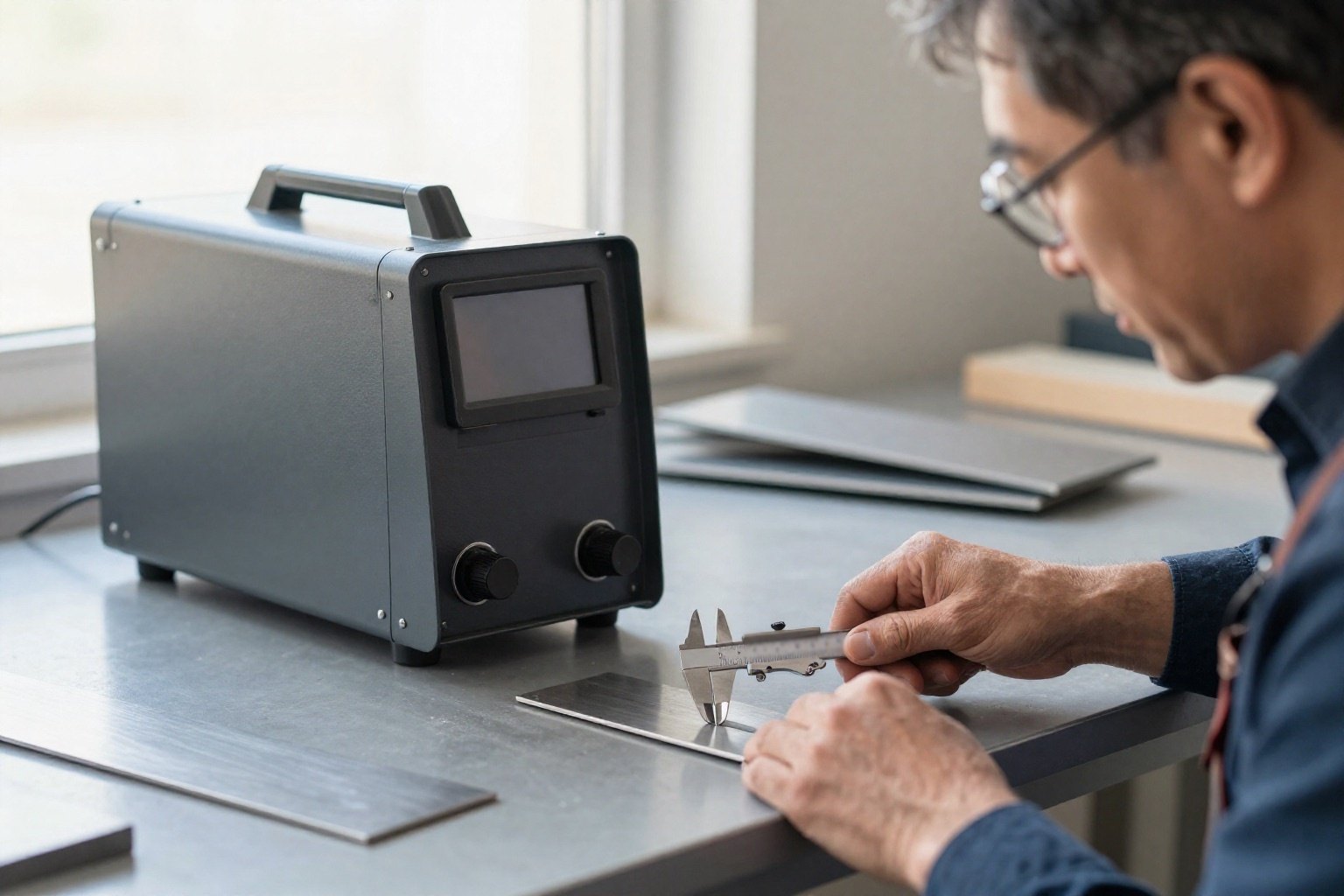 Buying and ownership
Reading welder amperage and thickness claims
Maximum output, current range, single-pass thickness and multi-pass thickness are different statements; learn to keep them separate.
Read the guide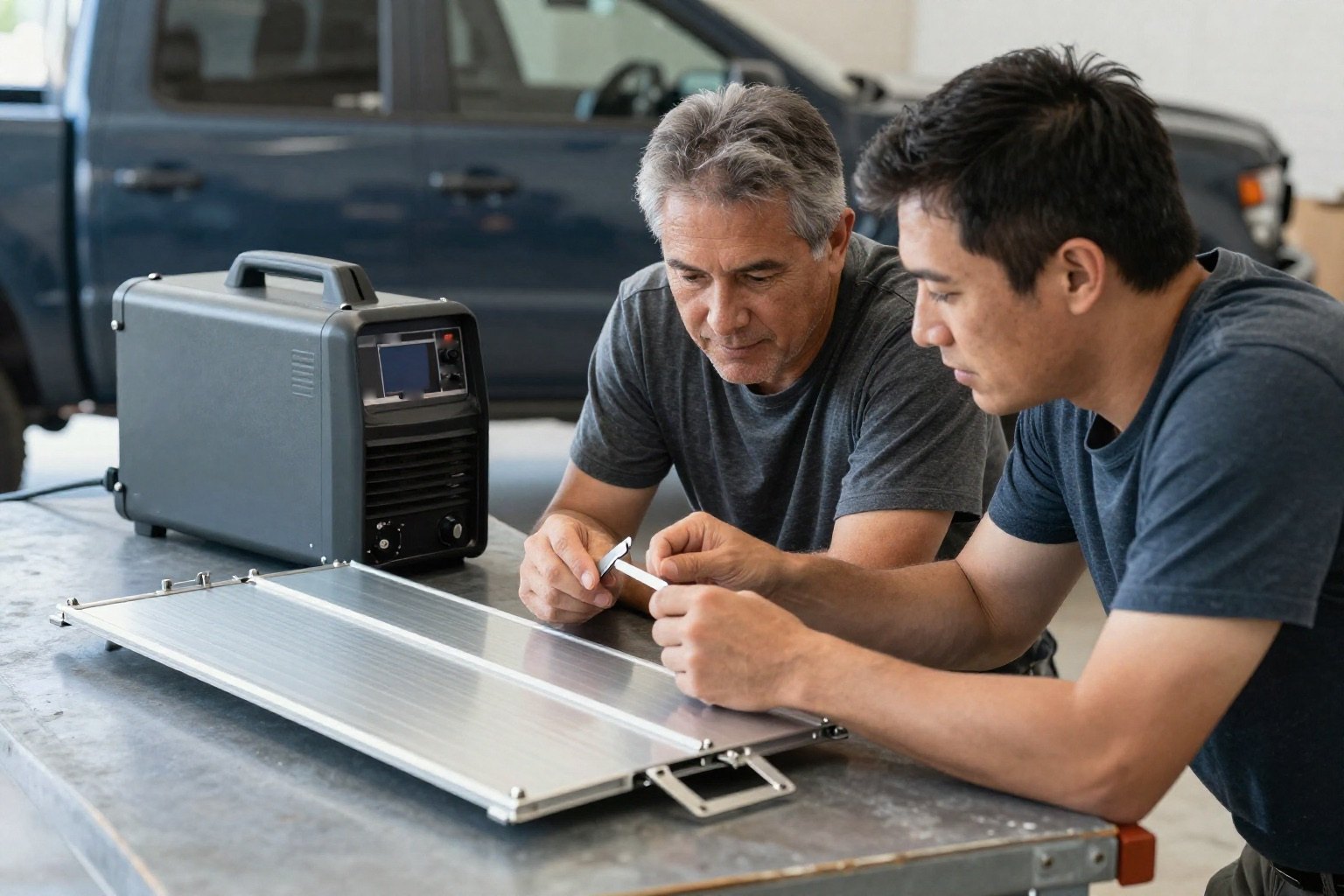 Buying and ownership
Can you weld aluminum with a MIG welder?
Can you weld aluminum with a MIG welder? Yes, with a spool gun, pure argon and aluminum wire. What Miller says about input power, filler wire and prep.
Read the guide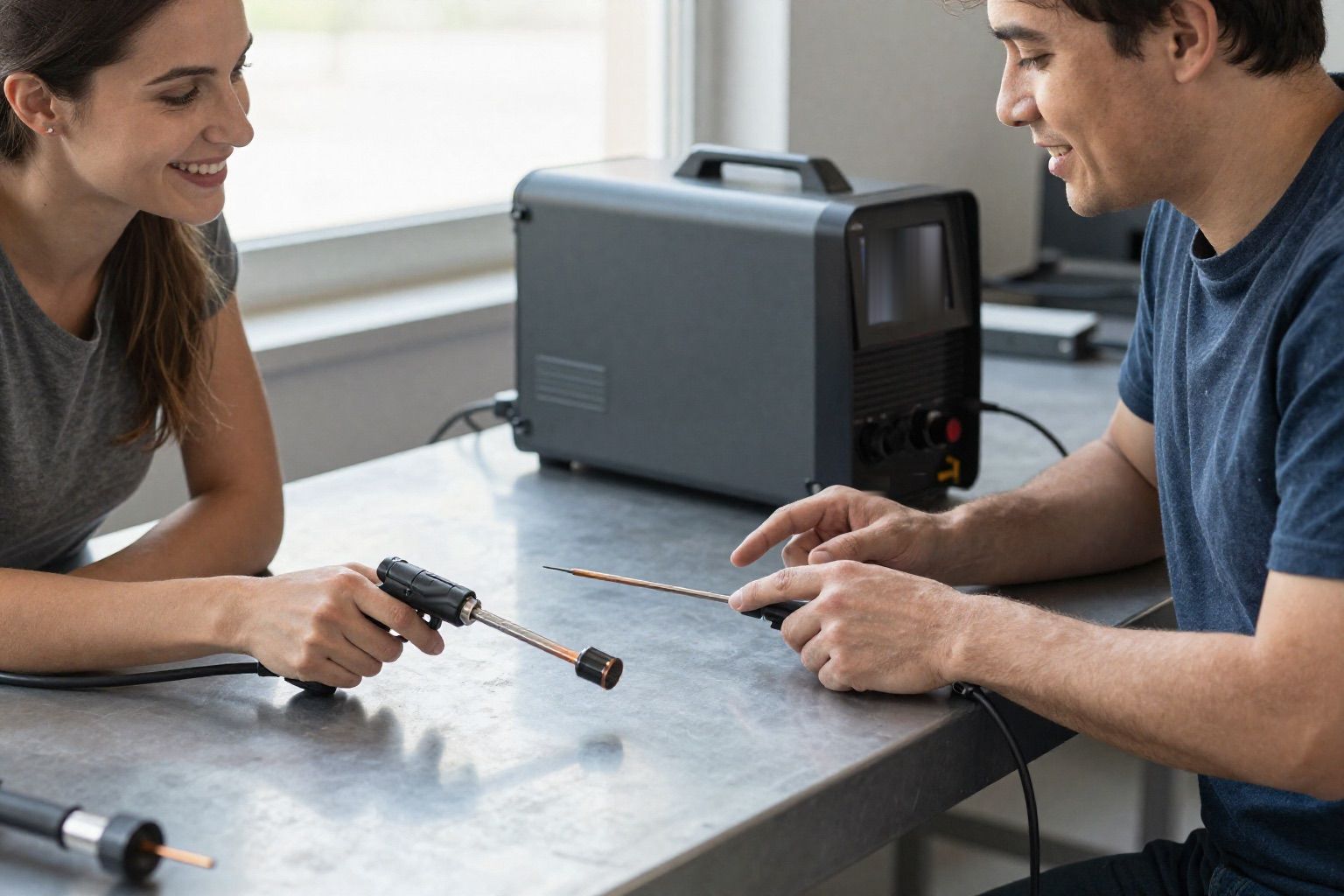 Buying and ownership
MIG vs TIG vs stick welding: which process fits?
MIG vs TIG vs stick welding compared: how each process works, metals, thickness, outdoor use and learning curve, from Miller guides and ANSI Z49.1.
Read the guide Buying and ownership
How to weld for beginners: gear, setup and safety
How to weld for beginners: choose a first process, set up a safe space, gather PPE and read your MIG settings chart, per Miller, OSHA and ANSI Z49.1.
Read the guide Buying and ownership
TIG welding rods explained: tungsten colors, filler rod and sizes
TIG welding rods are two different things: the tungsten electrode in the torch and the filler rod in your hand. Colors, sizes and which filler for which metal.
Read the guide